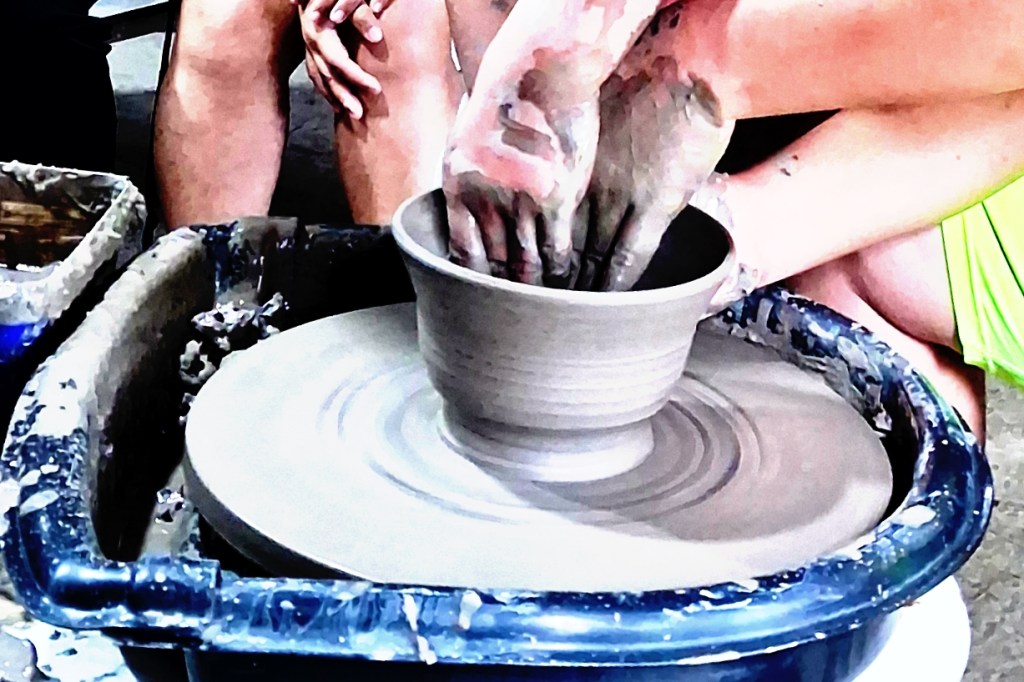
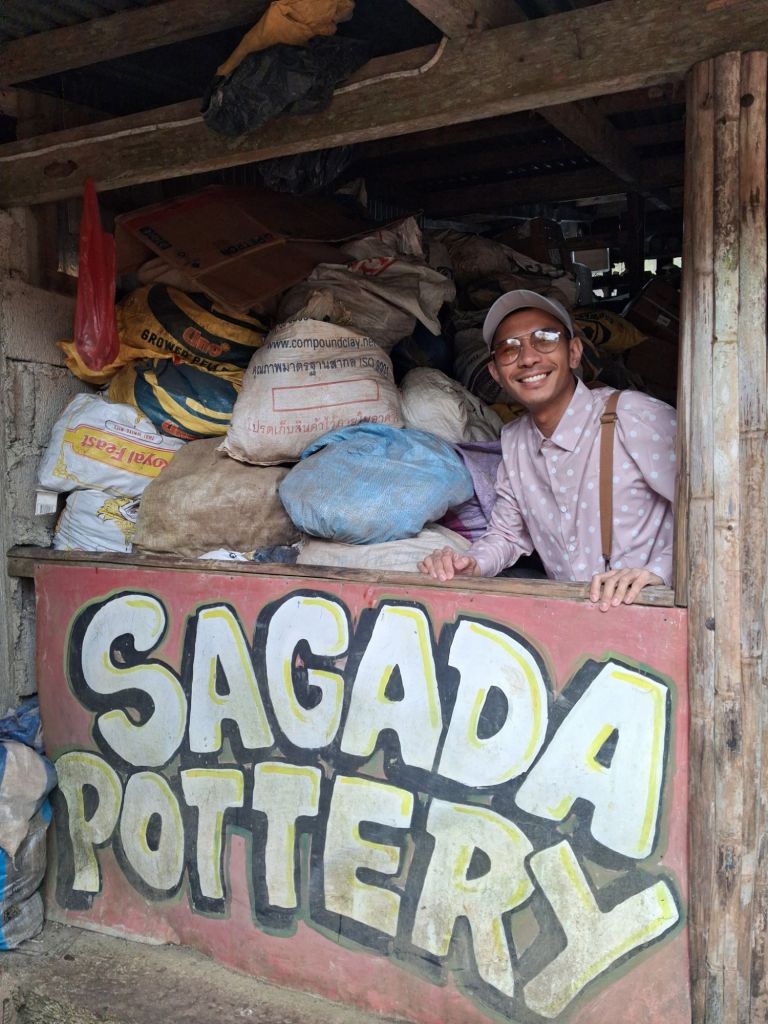
There is a distinct kind of magic in returning to a place you think you know by heart. On my recent trip to Sagada—which marks my tenth or eleventh time visiting this misty enclave in the Cordilleras—I decided to do something I had actively avoided for years. I finally tried (again) my hands on pottery.
To be honest, I had a bit of a grudge against the craft. My very first pottery experience happened in Vigan some sixteen years ago, and my core memory of it was simple: I didn’t enjoy it. It felt clumsy, frustrating, and rigid. For over a decade, I carried that impression with me. But this time, the mountains whispered a different invitation. I finally gave in and decided to give the wheel another try.
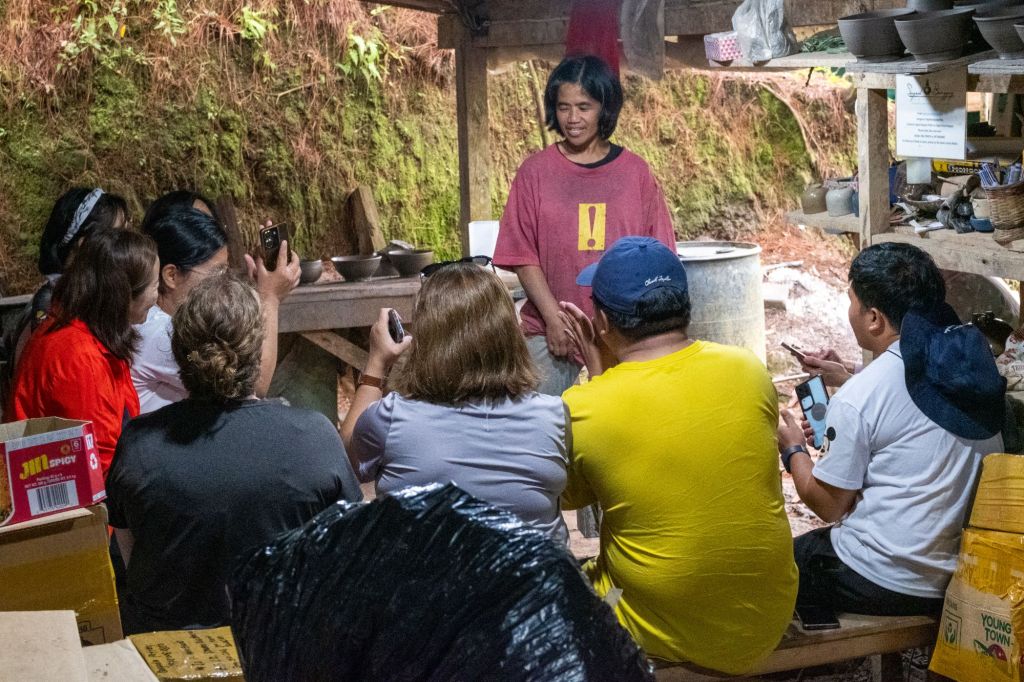
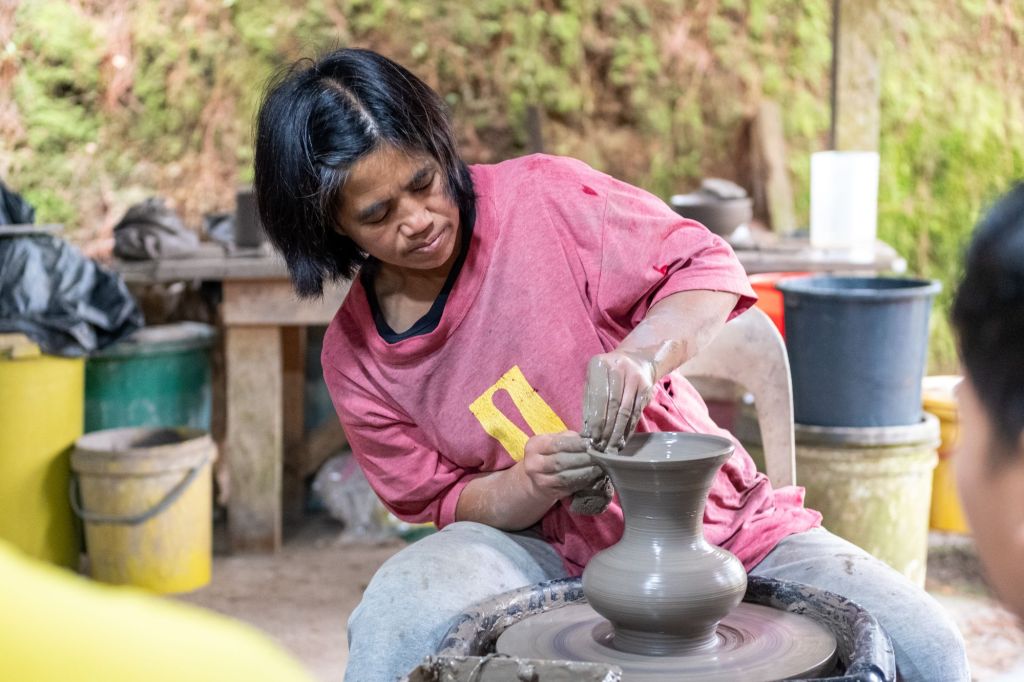
It helped that my reintroduction to the craft was guided by none other than Sagada’s well-known and beloved master potter, Siegrid Bangyay. Watching her demonstration was like watching someone speak a fluent, unspoken language with the earth. When it was my turn to sit at the wheel, she served as my personal guide, her calm presence reshaping not just the clay in my hands, but my entire perspective on the craft.
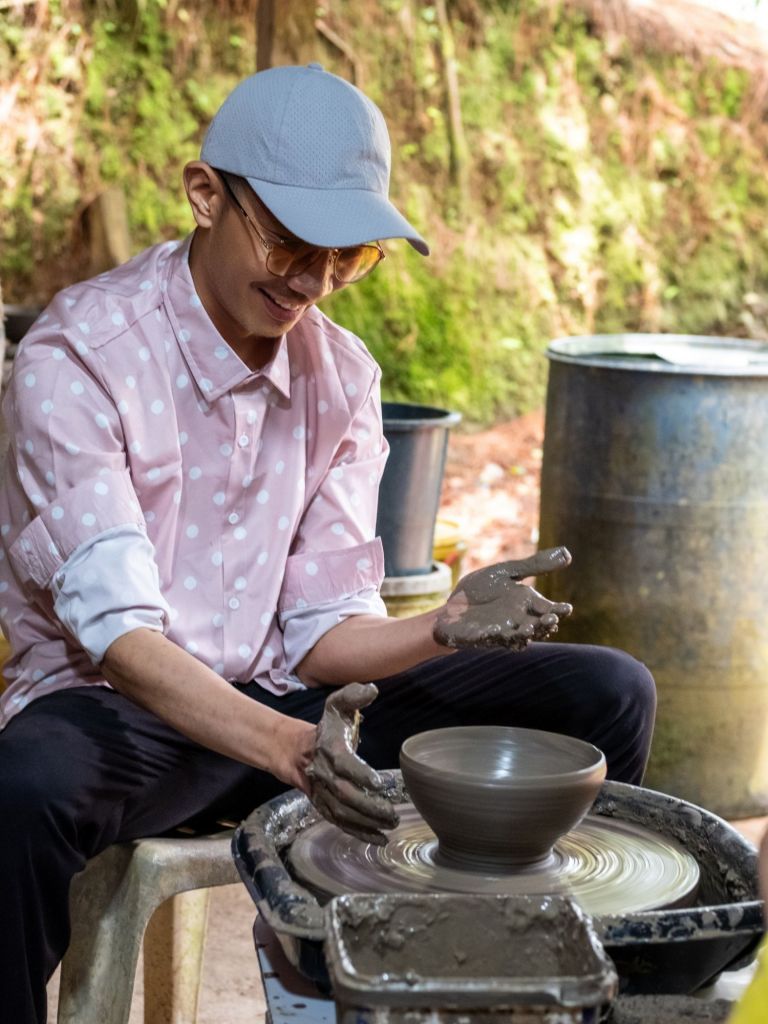
As the wheel spun and the cool mountain clay took shape under my fingertips, I realized that pottery isn’t just about making a vessel. It is a striking analogy for life itself.
1. Finding Your Center
In pottery, everything begins with centering the clay. If the lump of earth is even slightly off-balance on the wheel, the momentum will cause it to wobble, collapse, or fly apart as you apply pressure.
Life demands the exact same foundation. When our days feel chaotic and the world is spinning rapidly around us, we cannot build anything sustainable unless we find our own center. Centering requires us to tune out external noise, anchor our weight, and find stability from within. Only when we are grounded can we begin to shape our lives with intention.
2. The Power of Gentle Pressure
When you watch a master artisan like Siegrid, it looks effortless. But the moment your own hands touch the spinning clay, you realize it requires a delicate dance of force. Push too hard, and you pierce through the bottom; pull too fast, and the walls collapse.
In a world that constantly tells us to hustle, grind, and force our way toward our goals, pottery teaches the virtue of gentle, sustained pressure. Growth cannot be rushed. The most beautiful transitions in life happen when we learn to guide our circumstances with patience and nuance, rather than brute force.
3. Embracing the Imperfections
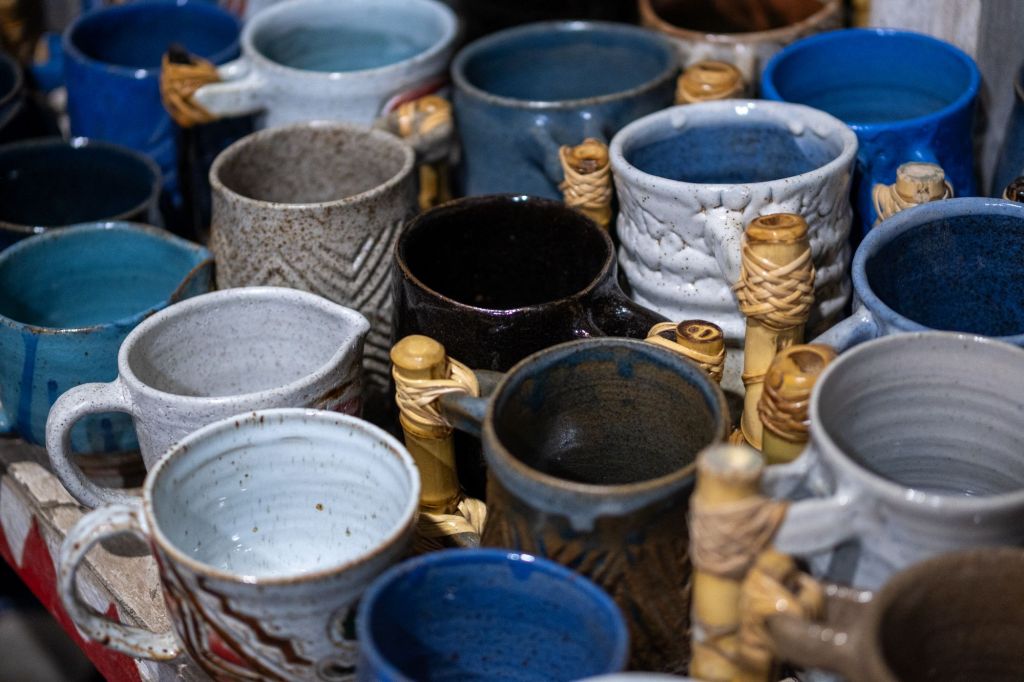
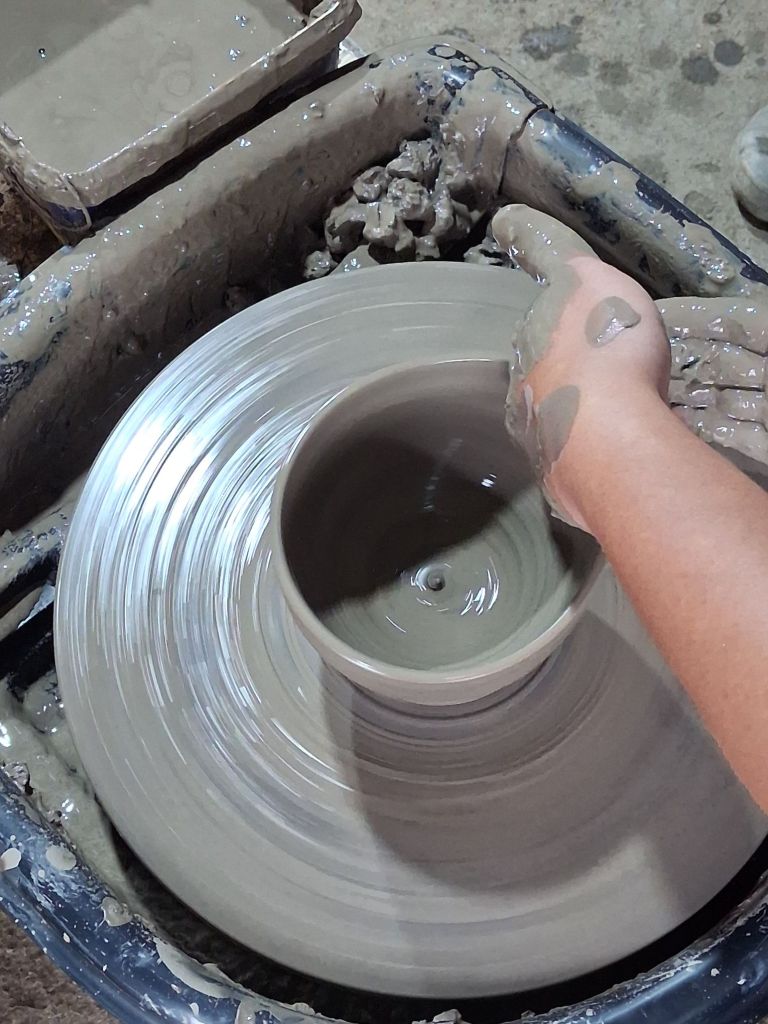
My aversion to pottery sixteen years ago likely stemmed from a desire for perfection. But clay has a mind of its own. It holds memory; it responds to the heat of your hands and the humidity in the air. In Sagada, the pottery bears the rugged, beautiful textures of the earth it came from.
We often treat our personal mistakes or unexpected life turns as failures. But like a unique asymmetrical curve on a handmade mug, our flaws and history are what give us character. There is a profound peace in letting go of rigid expectations and allowing the imperfections to become part of the design.
4. Feeling the Form: Sensing Beyond Sight
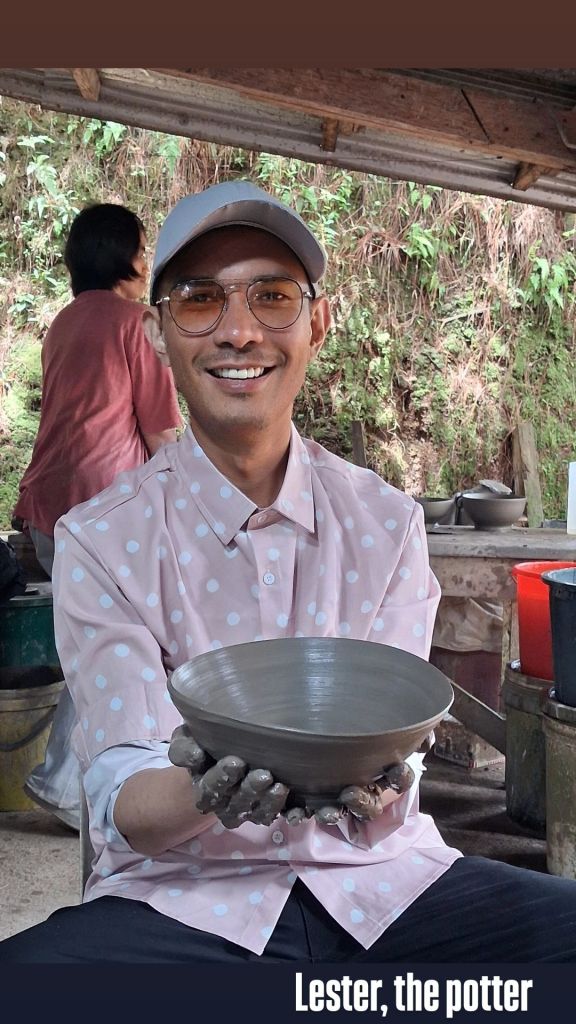
As someone who navigates the world as a visually challenged person, this particular experience carried a much deeper resonance. When I first approached the wheel, I was relying heavily on trying to visually track the spinning mass. But as Siegrid guided my hands onto the wet, slick earth, the true nature of the craft shifted.
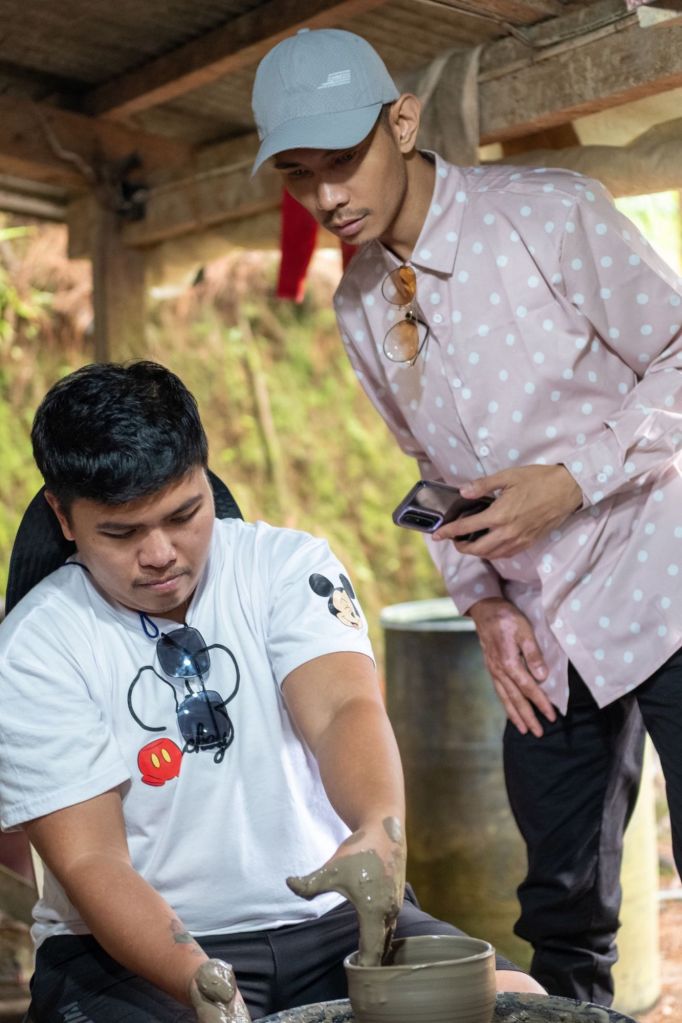
I quickly realized that while the sense of sight is important in pottery, what the hands do and how you feel things while crafting is infinitely more essential. Through my hands, I could feel the microscopic shifts in thickness. I could sense the exact amount of friction and pressure needed to pull the walls upward without breaking them. It became a deeply tactile dance of intuition.
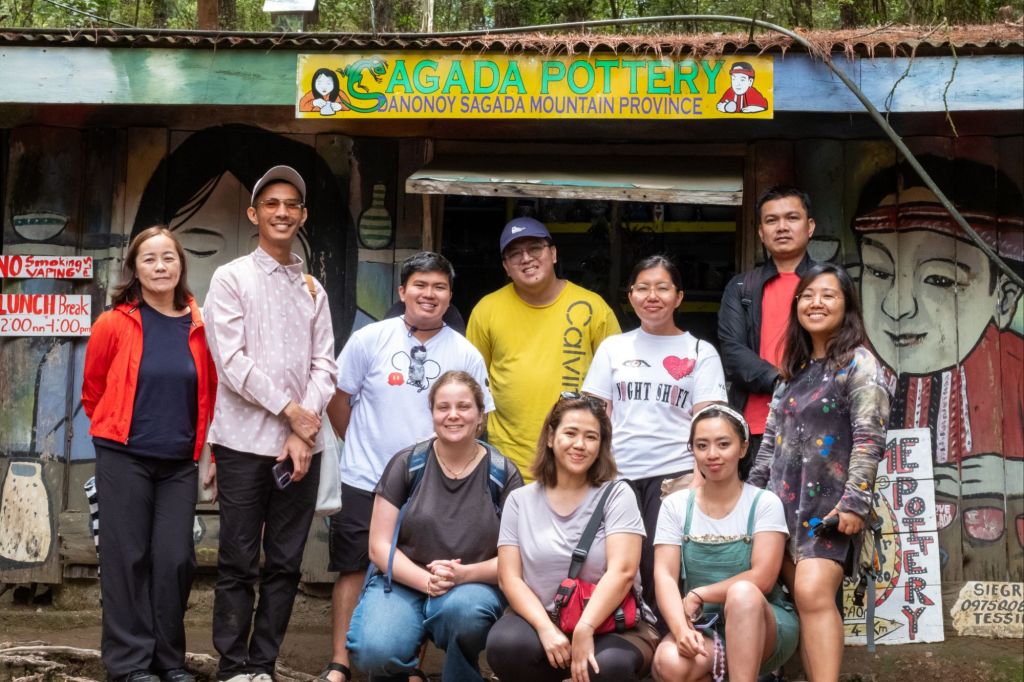
A Beautiful Remaking
Sitting in that humble studio, surrounded by the quiet hum of creation, I was reminded that we are never truly stuck in old narratives. A bad experience from sixteen years ago didn’t mean I was destined to dislike pottery forever; it just meant I wasn’t ready for the lesson yet.
Leaving Sagada this time, I carried a renewed sense of patience, a deeper trust in my own intuition, and the profound reminder that we are all just works in progress. We just need the right timing, the right mentors, and a willingness to get our hands dirty to realize that we are both the clay being shaped by life, and the potter holding the wheel.
***some photos used in this blog were grabbed from my friend Aris and The Shared Table files. Many thanks!






Leave a comment