I used to be the poster child for independence. The lone wolf, the solo adventurer, the man who found solace and strength in his own company. Traveling to new cities alone, savoring a quiet meal for one, the blissful solitude of my own apartment – these weren’t just activities, they were extensions of my identity. I thrived on the freedom, the self-reliance, the quiet hum of a life lived on my own terms. That was my “normal,” a life abundant with a regular job and the physical ability to navigate the world without a second thought.
But “normal” has a way of shifting beneath our feet, and that shift arrived with a visual disability and the loss of my steady employment. Suddenly, the world I knew, the world I confidently explored on my own, transformed into a landscape of uncertainty. The familiar pathways blurred, the easy independence I once championed began to feel less like a choice and more like a cruel hand dealt by fate.
The fear crept in subtly at first, a whisper in the quiet moments. It started with the small things – the hesitation before crossing a busy street, the anxiety of deciphering a menu in a bustling restaurant, the simple act of navigating my own home when the light wasn’t quite right. Each of these moments, once unremarkable, became a stark reminder of my changed reality. And with each reminder, the whisper grew louder, coalescing into a gnawing fear of being truly irrevocably alone.
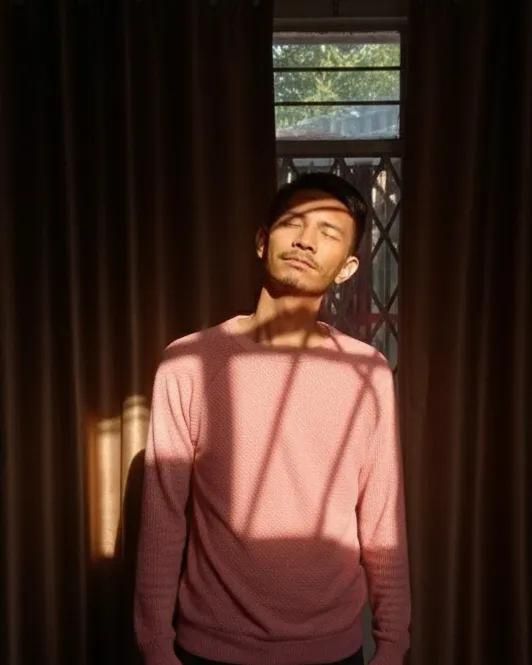
It’s a peculiar kind of loneliness, this. It’s not just the absence of company, but the profound sense of vulnerability that comes with it. When you’re visually impaired, every outing becomes an exercise in planning and anticipation, a delicate dance with the unknown. The spontaneous joy of discovery is often replaced by a hyper-awareness of potential obstacles. The comfort of familiarity is overshadowed by the constant need for vigilance. And when you navigate this new terrain without a consistent support system, the isolation can be suffocating.
I find myself constantly grappling with the question: what do I look forward to? The future, once a vibrant canvas of possibilities, now feels shrouded in a thick fog. The dreams I once held dear, of future travels or career advancements, now seem distant, almost unattainable without the infrastructure of a “normal” life and readily available assistance. It’s a terrifying prospect to feel adrift, without a clear anchor, especially when the very act of reaching out for help feels like an admission of weakness.
My immediate family and relatives, through no fault of their own perhaps, struggle to grasp the daily realities of my situation. Their support, while well-intentioned, often feels fleeting or inadequate, leaving me in a constant state of apprehension. This lack of reliable, consistent support amplifies the fear of being alone, transforming it from a mere feeling into a palpable, almost physical presence. I yearn for a sense of certainty, a dependable hand to guide me through the inevitable bumps in the road. Instead, I find myself encased in a bubble of uncertainty, the walls opaque and the exit routes unclear.
The irony is not lost on me. The man who once embraced solitude now yearns for connection, for a shared burden, for the simple reassurance that someone understands and will be there. This fear of being alone, exacerbated by my visual disability and the unpredictable nature of my new life, is a heavy weight to carry. It’s a journey I’m still learning to navigate, a testament to the profound ways our lives can change, and the unexpected challenges that emerge when “normal” becomes a distant memory.
 No Juan Is An Island
Leave a comment