What’s the most delicious thing you’ve ever eaten?
I have a lot in mind!
I have always believed that one has to taste a culture in order to understand it.
One particular aspect of travelling that I am most excited about is the opportunity to try new dishes. I may not be a bon vivant per se but I make sure to go on amd try tasting local food and beverages.
And as they say, aside from the sceneries, art and history one gets to indulge in during a travel, travelling is not limited to those that we can see with our naked eye. Sometimes, the best way to a traveler’s heart is through its stomach! Oh yes, it definitely applies to us people who fell in love with traveling. Every culture has a distinct cuisine that moves its way through one’s palate and rumny, that goes through the heart of every foodie.

As a self-confessed “foodie”, I have developed a certain love for food — from the taste department, to how they are prepared or cooked, to the ingredients with which they are made of. I even find myself being so fascinated with food styling and food photography. If you’ll get a glimpse of my Instagram (@no.juan.is.an.island), you’ll be happy to see aloooot of food photographs I took (and prepared).

As someone who likes eating a lot (whether along the streets or inside a posh cafe and restaurant), choosing a favorite or the most delicious dish would be a difficult task to decide upin by my palate.
Allow this post to take you on a food trip down memory lane as I briefly reminisce the most delicious (and sometimes, peculiar) food I’ve tasted in some of my travels here in the Philippines and abroad. Here’s a list of 15 dishes/food that have both captured my heart and palate.

Saltibarščiai (Lithuania). Aka cold beetroot soup or pink soup. This Lithuanian soup I got to taste during my 1st trip to Vilnius, is made with buttermilk, sour cream, hard-cooked eggs, cucumbers, and dill. It’s refreshing on a hot day. Perfect during my last day in LT as summer was on its way. And I never thought I’d like beetroot prepared this way.
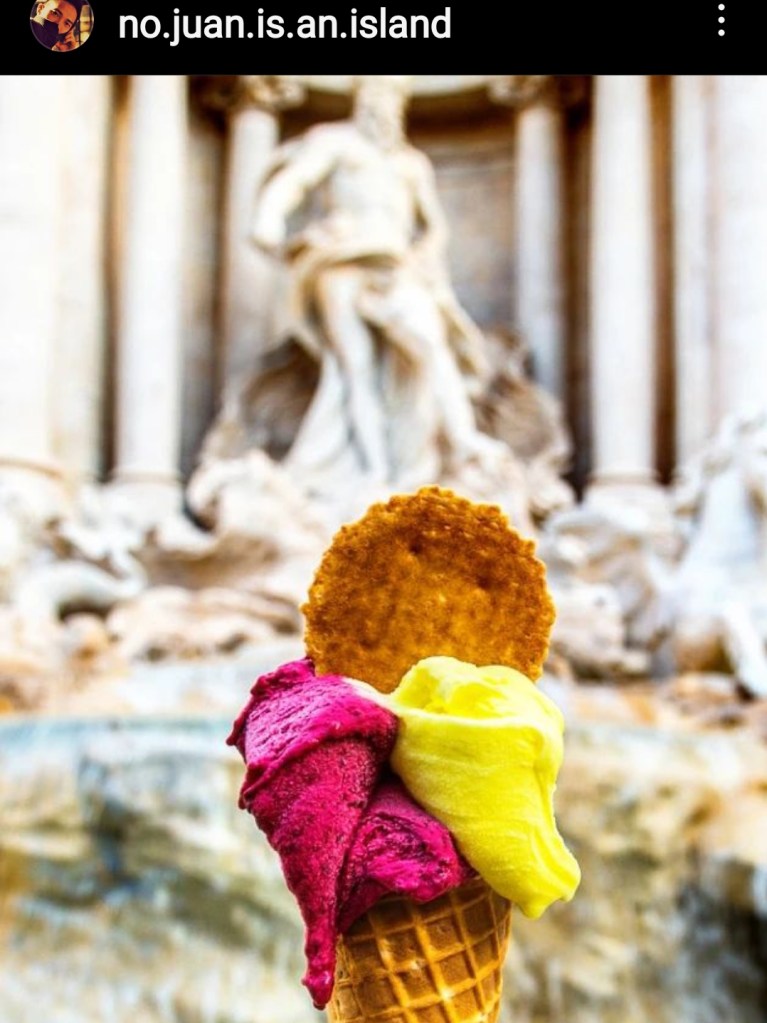
Gelato (Italy). So where else would eating gelato be best experienced? Of course in Italy! My 2 previous Italy trips made me appreciate why gelato is preferred over ice cream. Gelato is richer and has more robust flavours than ice cream. This is because of its use of milk as the primary ingredient instead of cream, which reduces its fat content.

Trdelnik (Czech/Slovak Republic). I love sweet food. And the “trdelník”, a traditional Slovak rolled pastry originating from the Hungarian-speaking region of Transylvania, managed to tickle my sweet tooth. This delicacy is roasted over an open fire and covered in sugar (and at times, nuts). I had a great time observing how this pastry is prepared, more so when your tongue gets to taste it. Got to taste this dessert on two occasions – 1st in Bratislava (Slovakia’s capital) in 2017, and then in Prague, Czechia s capital city in 2018.

Midye Dolma (Turkey). A favorite Turkish street and beach side food, midye dolma is stuffed mussels with aromatic rice, herbs and spices. It is a delicious treat I got to try while walking around the Asia side of Istanbul. It was one of those moments of “love at first bite”. As a seafood lover, this was such a delicious treat!

Chicken Inasal (Philippines). Bacolod is one of my favorite cities in my country for its foooood! The City of Smiles surely knows how ro make someone smile from ear to ear (and belly). While one can find chicken inasal anywhere in the country, the best tasting ones are in this city. Inasal is a variant of the Filipino chicken dish known as lechon manok. It is chicken marinated in a mixture of calamansi, pepper, coconut vinegar and annatto, then grilled over hot coals while basted with the marinade. It is served with rice, calamansi, soy sauce, chicken oil and vinegar.

Bacalhau – a popular Portuguese dish made with salt cod, potatoes, onions, hard boiled eggs, olives and olive oil. I was walking along a narrow street in Lisbon when I got to smell this dish. My palate got interested so the next thing i know, I was already enjoying it. I’ve learned from a local that the cod is without a doubt, one of the most celebrated ingredients in Portuguese cuisine. It plays a leading role in traditional dishes and is a representation of Portugal’s identity.
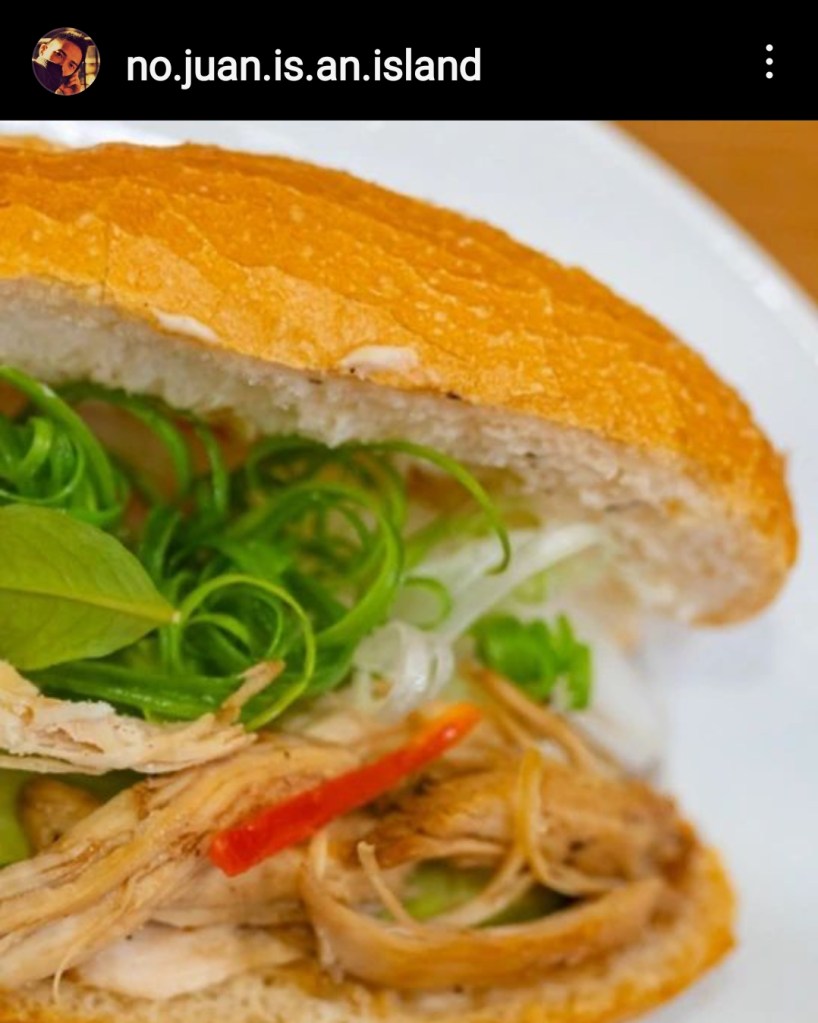
Banh mi (Vietnam). A traditional Banh Mi consists of a fresh baguette filled with pate, mayonnaise, roast pork, pickled vegetables, fresh vegetables, and cilantro (and sometimes more). It tastes like a more special and flavor rich ham sandwich with a hit of Asian freshness. It’s a sensation of flavours and textures. Even those that are sold in the streets of Ho Chi Minh are so good!

Bak kuh teh (Singqpore). I am sorry chili crabs but it is this dish that stole my heart and palate in my more than 10x travel to Singapore. Bak kut teh is a pork rib dish cooked in broth. According to my Singaporean boss, this stew is special because of the Chinese herbs such as Dang Gui (Chinese angelica root) and spices like star anise, cloves and smoked garlic add up to this dish very flavourful taste Usually, bak kut teh is served with rice, vegetables and ‘you tiao’ aka Chinese churros.
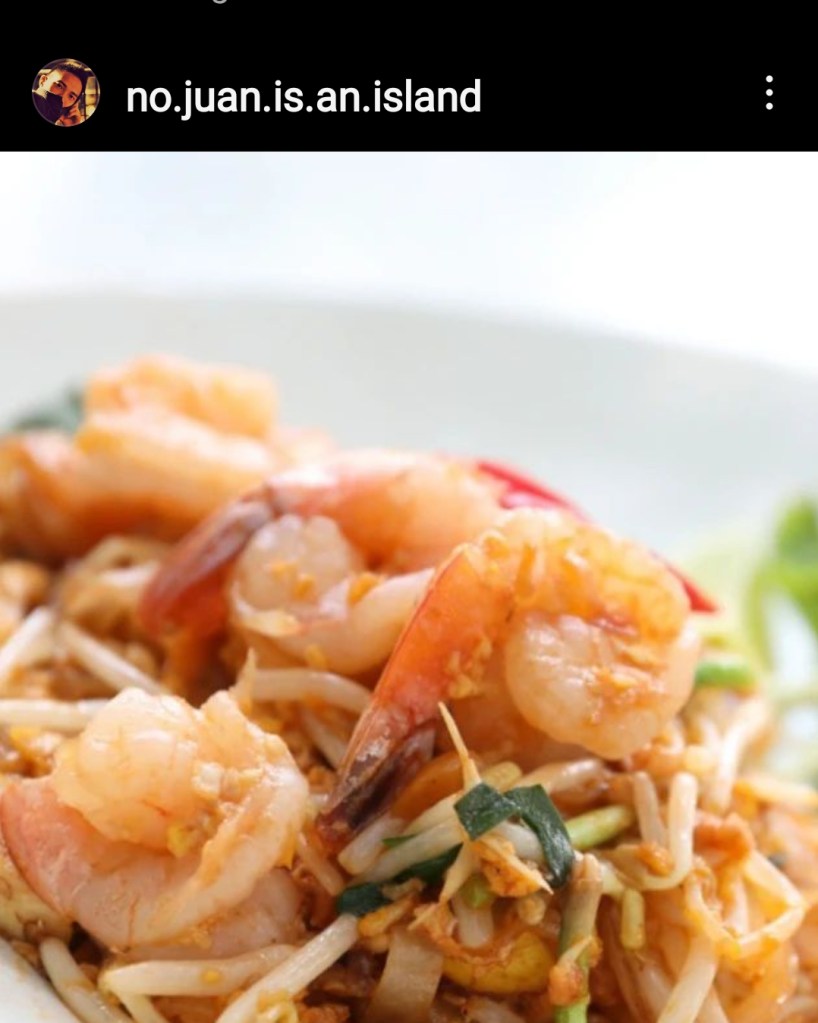
Pad Thai (Thailand). Pad Thai is a popular Thai street food noodle dish. This dish hits all the flavour notes from sour, sweet, bitter, salty and umami and is attributed to the tamarind, fish sauce, garlic, dried shrimp, palm sugar, and red chili pepper in it. Personally, a good Pad Thai has prawns (nothing agaibst chicken but I like my seafood more) and deep-fried shallots. Together with the Thai mango sticky rice, they’re the very reason why I always look forward to having a Thailand trip.

Tiyula Itum (Philippines). Black Soup with Burnt Coconut or locally called tiyula itum is a beef soup-stew of Tausug origin (Tausug is a tribe in Mindanao). According to a local, this dish is always served at weddings, or at any other celebration. It’s most striking characteristic is its black – dark grey colour, that may come across un-enticing. The dark colour is because of the burnt coconut which adds up to a more distinct taste to the stew. I have come to know that it is actually an ingredient unique to the Tausug cookery. While this may look boring in the aesthetics department, it is my favorite dish in all of Mindanao, Philippines for its delicious comforting taste.
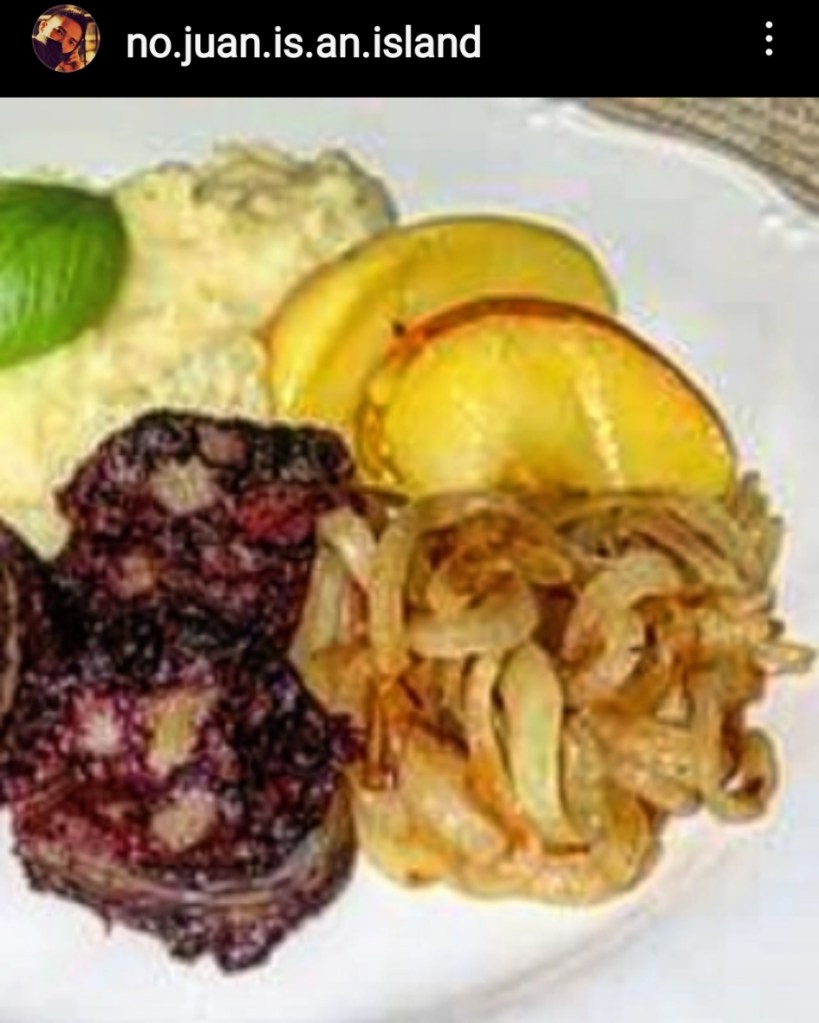
Himmel und Erde (Germany). A dish that literally means heaven and earth, is a sweet and savory kind of dish living up to its name. It is made of mashed potatoes, apple sauce or compote, some fried onions and a black pudding. This pudding is actually a special kind of sausage that contains pork and dried pig’s blood (reminds me so much of Cordillera’s local dish “pinuneg” which is also a form if blood sausage).

Koshari (Egypt). Koshari is Egypt’s national dish. It is made with rice, lentils, pasta and chickpeas (one of my all-time fave legumes). With a variety of textures, sauces and flavors, it is a taste to savor. Such a winning treat! I remember having this by the Nile River in Cairo. I’ve read that this dish is associated with good fortune and prosperity. Definitely my fave among the dishes I’ve tried during my MENA (Middle East North Africa) trip.
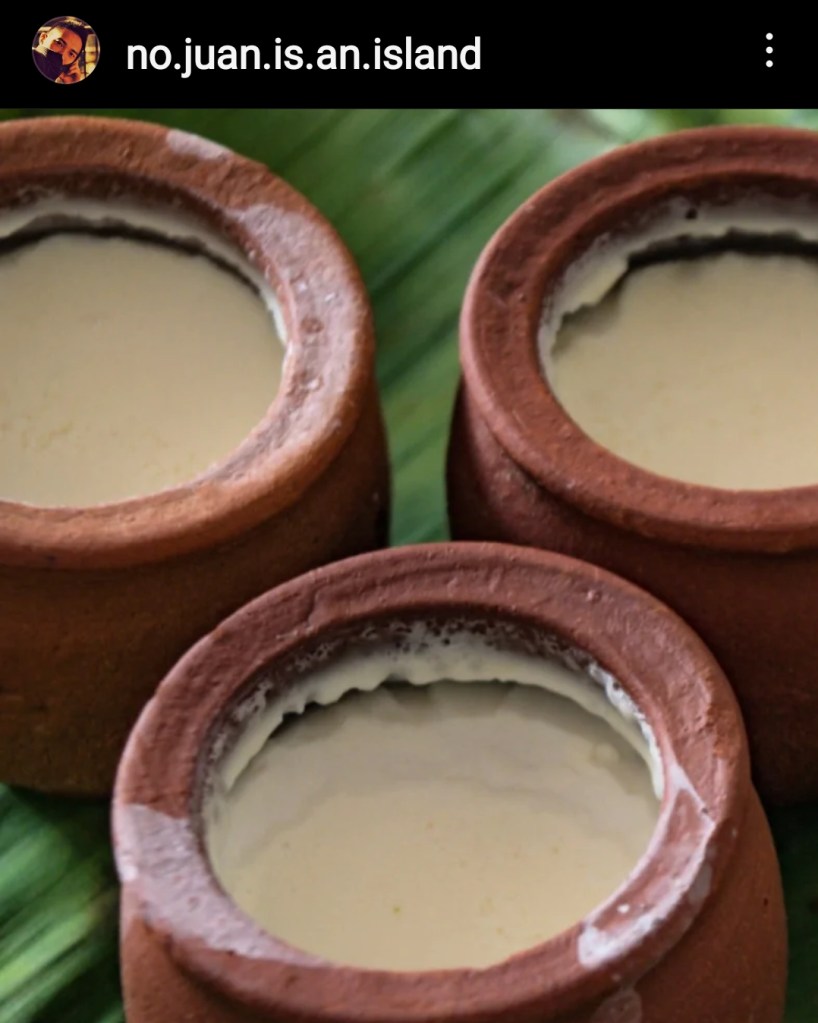
Mishti Doi (Bangladesh). This uber delicious sweetened yoghurt in ceramic clay pot is such a wonderful find during my trip to Dhaka, Bangladesh. This street food is different from a regular yoghurt in a way that mishti Doi is sweetened. Also, it is made of thickened milk that adds a nice, rich and luxurious taste to this special yogurt. This was another case of “love ar first bite”.
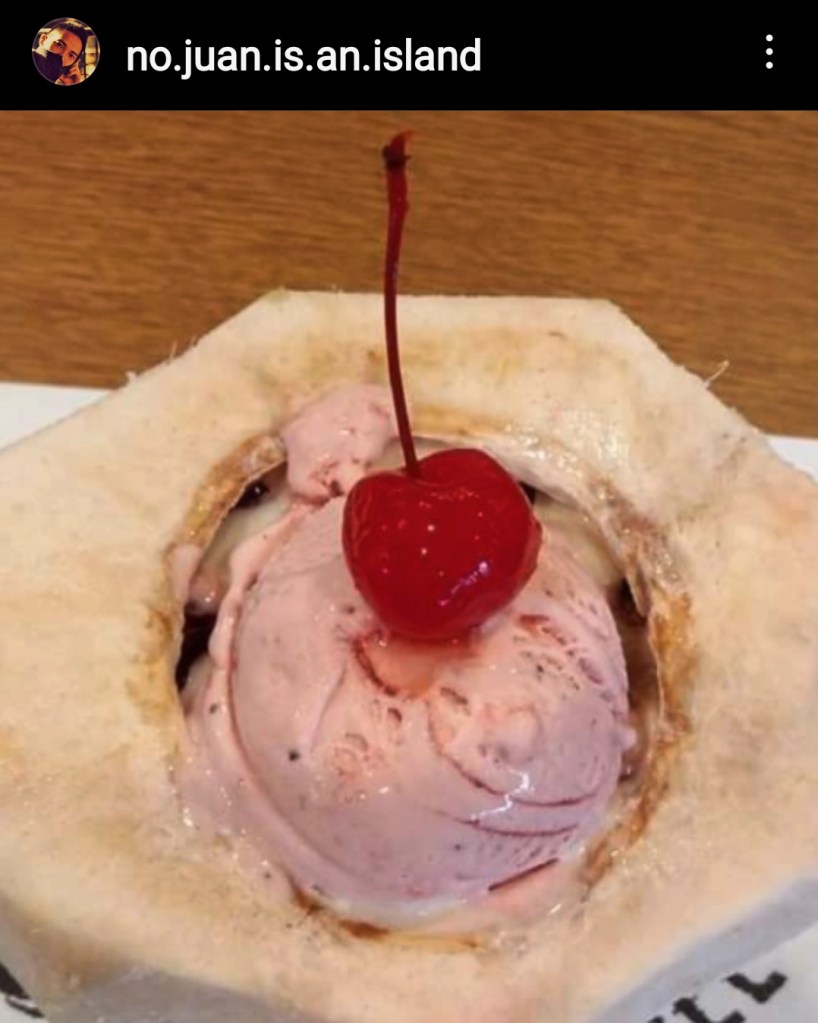
Knickerbocker (Zamboanga, Philippines). While history says it originated in New York, this is one of favorite dessert I have tasted in my country. The Zamboanga knickerbocker is a localized (Zamboanga, a Spanish speaking city in Southern Philippines) version of the famous Filipino dessert – halo-halo. The difference is, it is primarily made of fresh fruits instead of the usual sugar-sweetened fruits. It is a mix of chunks of banana, mango, watermelon (sometimes melon or strawberries), gelatin, milk, and topped with vanilla, chocolate, or strawberry ice cream. A more special kind is prepared inside an actual coconut just like the one I had during a more recent Zamboanga trip. Super refreshing and palatine-satisfying!
And last on my list is this special pie.
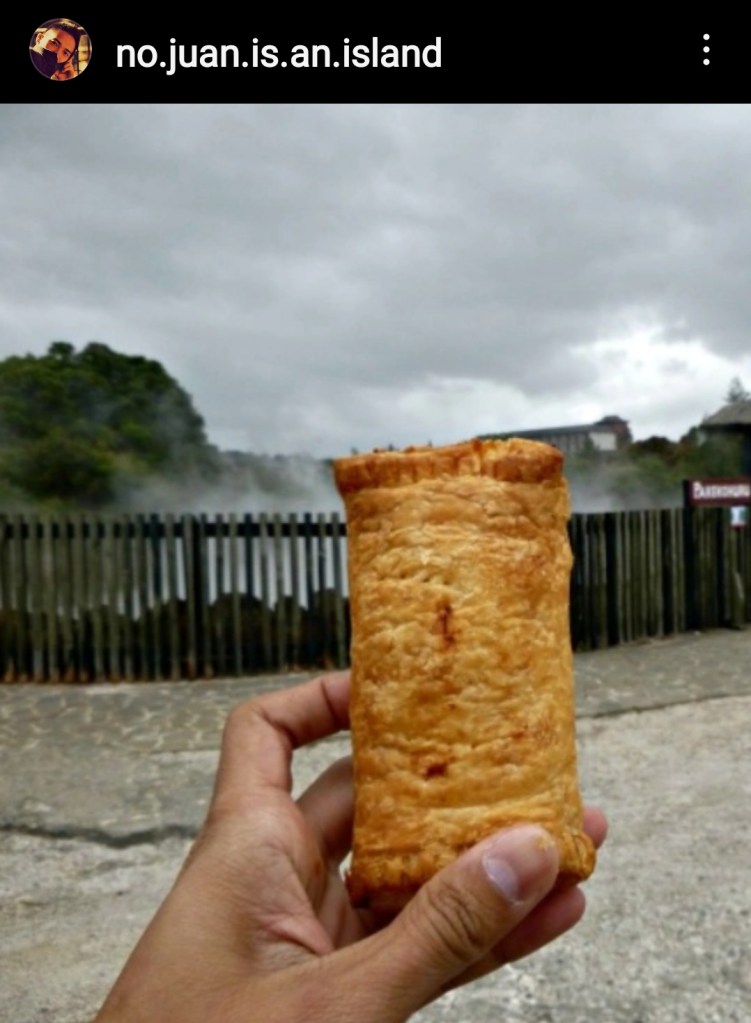
Hangi Pie (New Zealand). One of the highlights of my New Zealand trip back in 2016 is a visit to a Maori village called Whakarewarewa. The village offers their ‘famous’ hangi pie that consists of meat and vegetables, cooked using the hangi method, then served wrapped within a pastry casing. The result is meaty goodness with a delicious crispy finish!
Hope this post made you have a better appreciation of food. Take “eat” easy.
 No Juan Is An Island
Trying new food is definitely one of the best parts about travelling. It sounds like you take it very seriously and are quite adventurous with what you try. That gelato is making my mouth water.
LikeLiked by 1 person
Oh yes, I take my palatine experience pretty seriously haha. 😄😄😄
LikeLiked by 1 person
hi from Bali. i have tried Banh Mi, very good. but others have never tried. But thank for sharing. I wanna try when go this country
LikeLiked by 1 person
Thank you. I love Bali. I had a great time there before
LikeLike
Nakakagutom
LikeLike
It’s funny how popular trdelník is among tourists, while just a few years ago nobody was making it, it’s not really a Czech specialty. But it’s cheap to make and expensive to sell 🙂
LikeLike
Yes, I’ve read it isn’t really a Czech specialty but it was in Prague where I got to taste it first and was quite fascinated.
LikeLiked by 1 person